AI Fitness Coach vs Personal Trainer: Which Is Right for You?
A good personal trainer costs $60–150 per session. An AI fitness coach costs less than a coffee per week. But the real question isn't price — it's which one actually produces better results for your specific situation.
The Honest Answer Up Front
Neither is universally better. A world-class personal trainer who knows your body, watches your form, and adjusts your programme in real time is the gold standard. But that trainer costs $300–600 per month minimum, assumes you can train at their schedule, and doesn't exist at 11pm when you need to ask a question.
An AI fitness coach is available 24/7, costs a fraction of the price, and knows your complete training history. It won't spot your knee caving on a squat. It's a genuine trade-off — not a clear winner on either side.
Head-to-Head Comparison
| Factor | AI Fitness Coach | Personal Trainer |
|---|---|---|
| Monthly cost | $9.99/month | $240–600+/month (3–4 sessions/week) |
| Availability | 24/7, instant responses | Scheduled sessions only |
| Workout personalisation | High — adapts to goals, equipment, schedule, and daily recovery | Very high — adapts in real time to how you move |
| Form correction | Guidance only (written cues, explanations) | Real-time visual correction |
| Recovery monitoring | Daily, automatic (HRV, sleep, RHR) | Manual check-in at sessions only |
| Programme adaptation | Continuous, data-driven | Session-by-session, subjective |
| Accountability | App reminders, streaks, weekly summaries | Human social pressure, booked appointments |
| Injury rehabilitation | General guidance only | Qualified modification and progression |
| Knowledge breadth | Effectively unlimited — trained on comprehensive fitness research | Varies by trainer; limited by their specialty |
| Progress tracking | Automated — every session logged, trends visualised | Manual notes or spreadsheet |
Where a Personal Trainer Wins Decisively
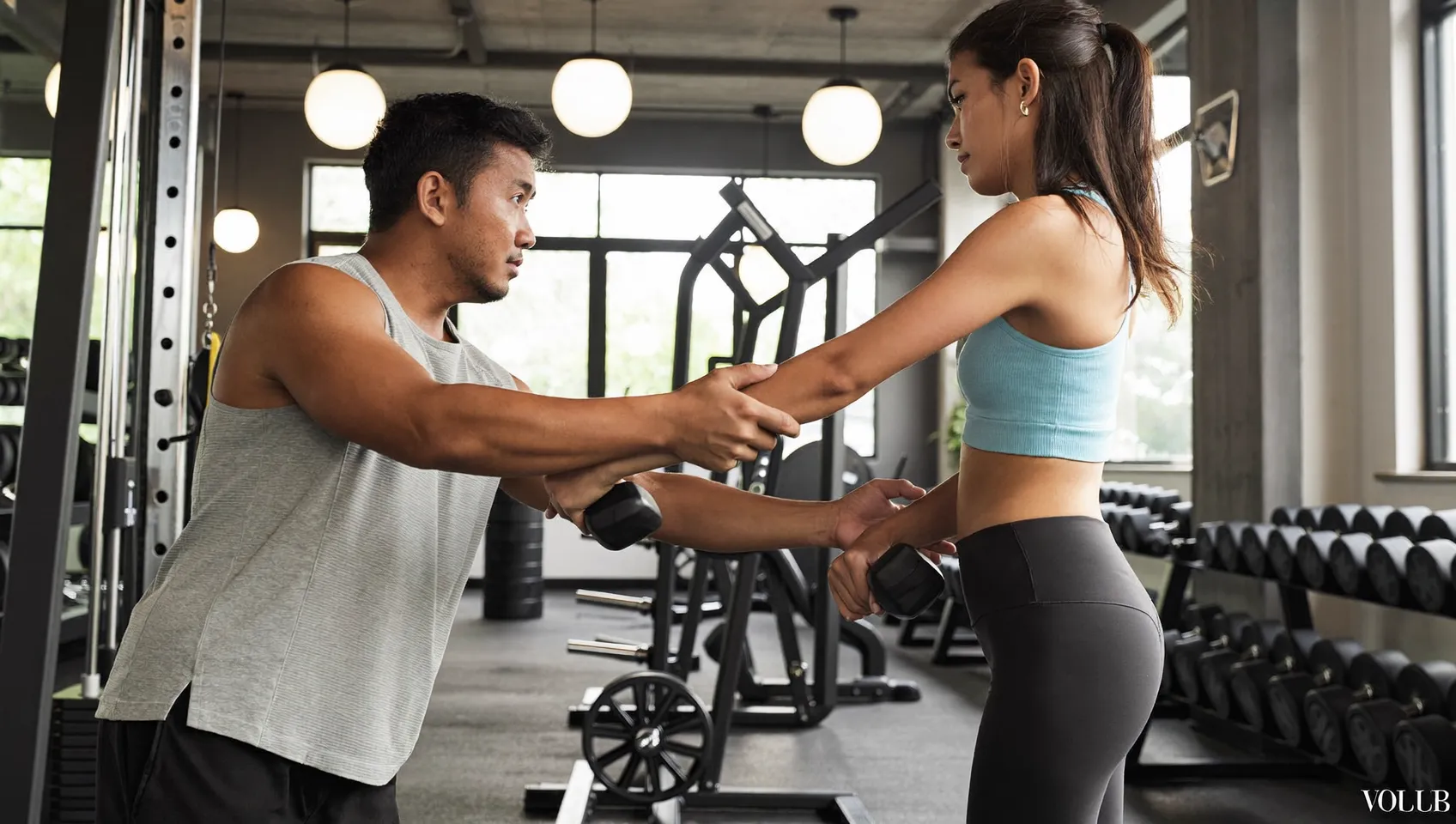
Form and technique. For beginners learning compound lifts — squat, deadlift, bench press, overhead press — a qualified personal trainer watching you move is genuinely irreplaceable. Poor form in these movements causes injury. An AI can explain technique in detail, but it cannot see you.
Complex injury history. If you have a previous ACL tear, disc herniation, shoulder instability, or any structural injury, a trainer with rehabilitation experience should be involved in your programme design. AI guidance is general; a good trainer calibrates specifically to your limitation.
Severe accountability needs. If you have never exercised consistently and have a history of quitting programmes, the social contract of a booked appointment with a real person is powerfully effective. Some people need that external commitment device.
Where an AI Fitness Coach Wins
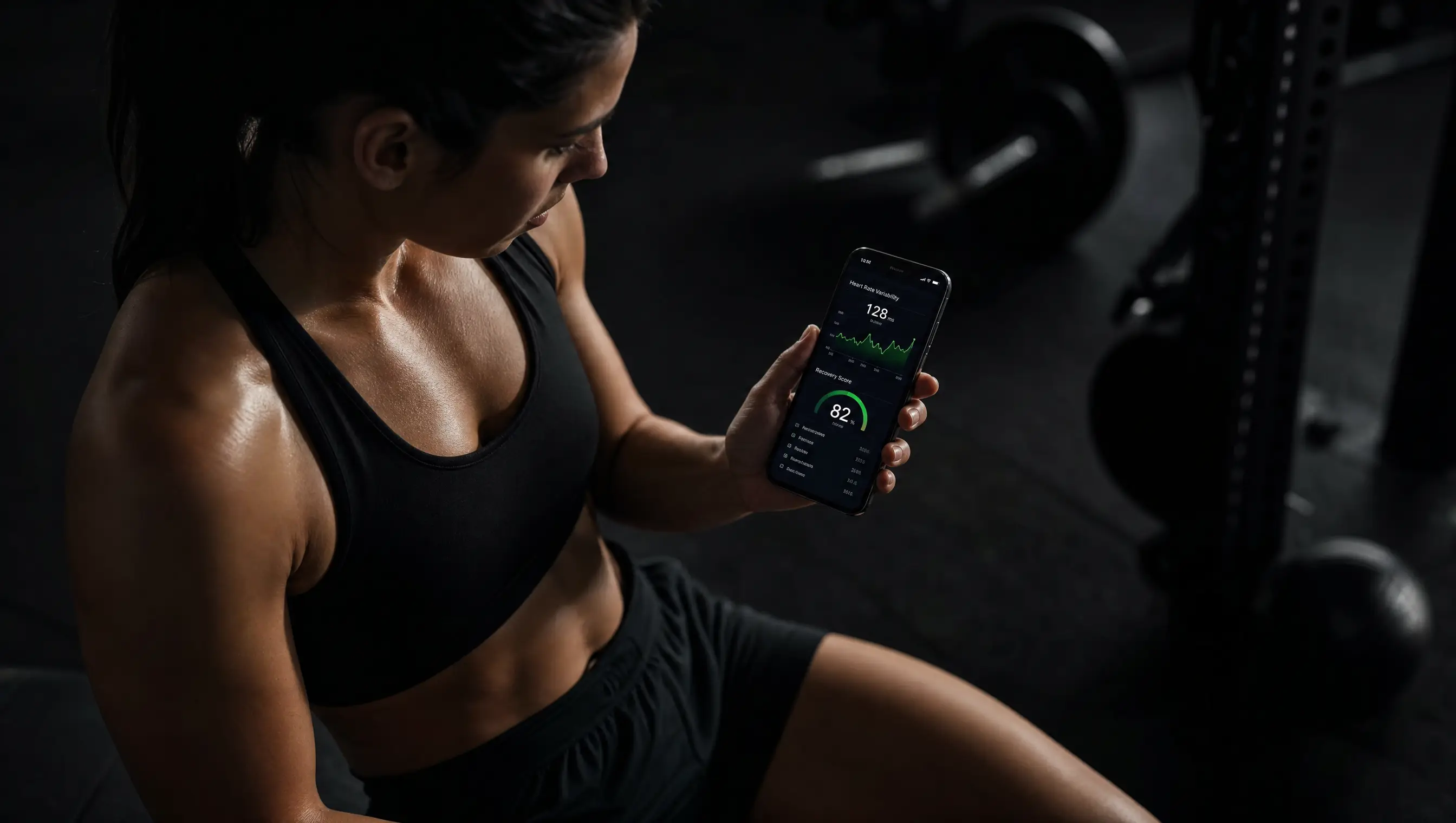
Daily recovery adaptation. A personal trainer sees you 3–4 times a week at most. The other days, you're training solo with a generic programme. An AI coach recalculates your readiness every morning using your actual health data and adjusts accordingly — something a human trainer structurally cannot do.
24/7 access to coaching intelligence. Questions about nutrition, form cues, programme rationale, exercise substitutions — you can ask at any time and get a detailed, contextually aware answer that references your specific goals and history.
Cost sustainability. The best training programme is the one you can afford to maintain for years, not months. At $9.99/month versus $400/month, the AI option is 40x more accessible — which means the compound interest of consistent long-term training works in your favour.
Objective data, not perception. Trainers calibrate to how you look and how you report feeling. An AI coach calibrates to actual physiological data — HRV trends, sleep quality, training load over weeks. These metrics catch overtraining and underrecovery before they become problems.
The combination approach: Many serious recreational athletes use both. An AI coach handles daily programming and recovery monitoring. A personal trainer is booked monthly or quarterly for form checks, technique refinement, and programme review. You get the best of both at a fraction of full personal training costs.
Who Should Use Which
Use a Personal Trainer if:
- You're a complete beginner to strength training
- You have a significant injury history
- You need strong external accountability to stay consistent
- Budget is not a constraint
- You have access to an excellent, qualified coach
Use an AI Coach if:
- You have basic training experience and understand safe form
- You train solo at home or in a commercial gym
- You want daily recovery monitoring and programme adaptation
- You want 24/7 access to coaching guidance
- You need an affordable long-term solution
What Makes FitAI Coach Different from Generic AI Apps
Most AI fitness apps generate a static plan and update it weekly at best. FitAI Coach is different in two ways.
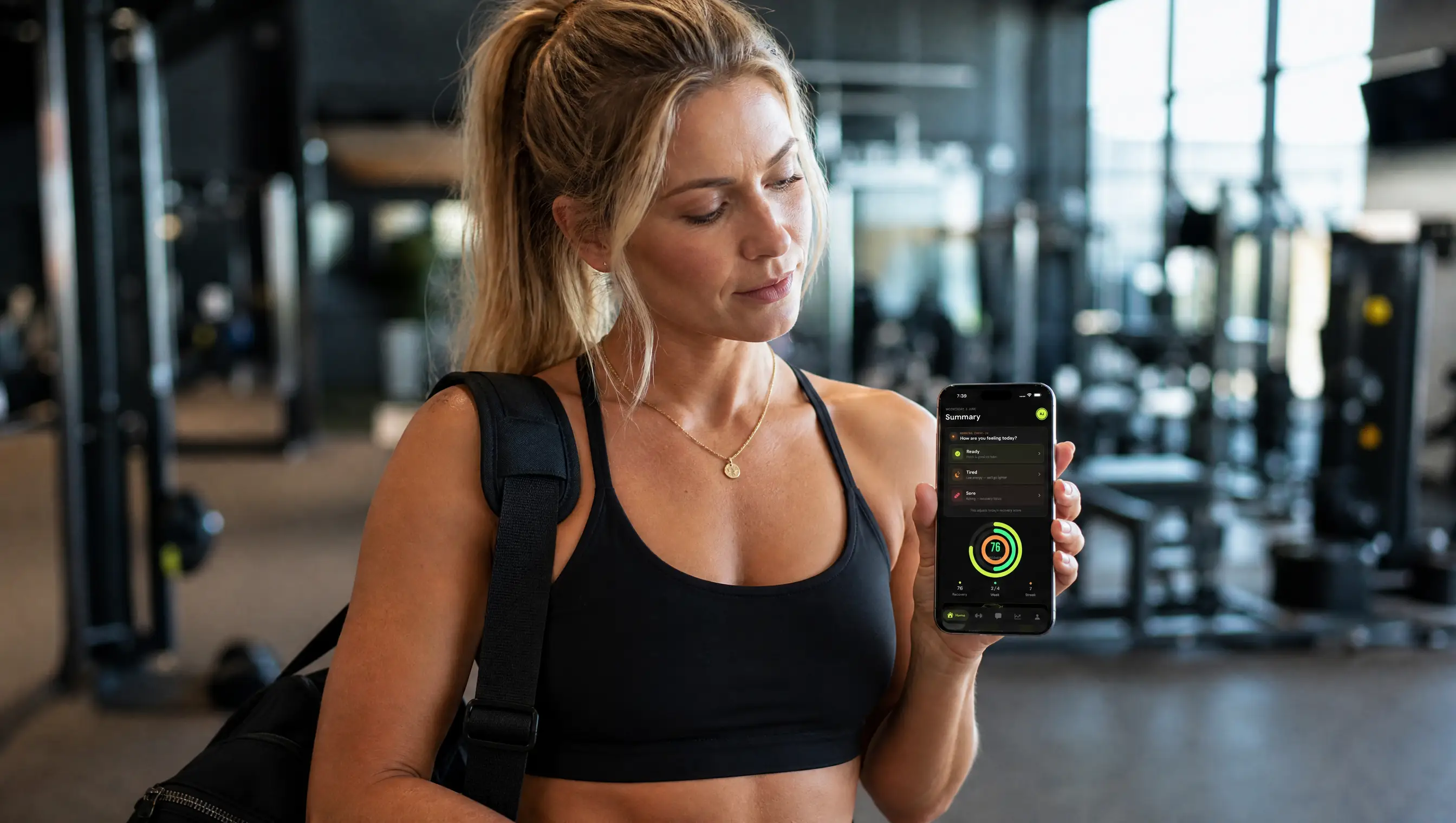
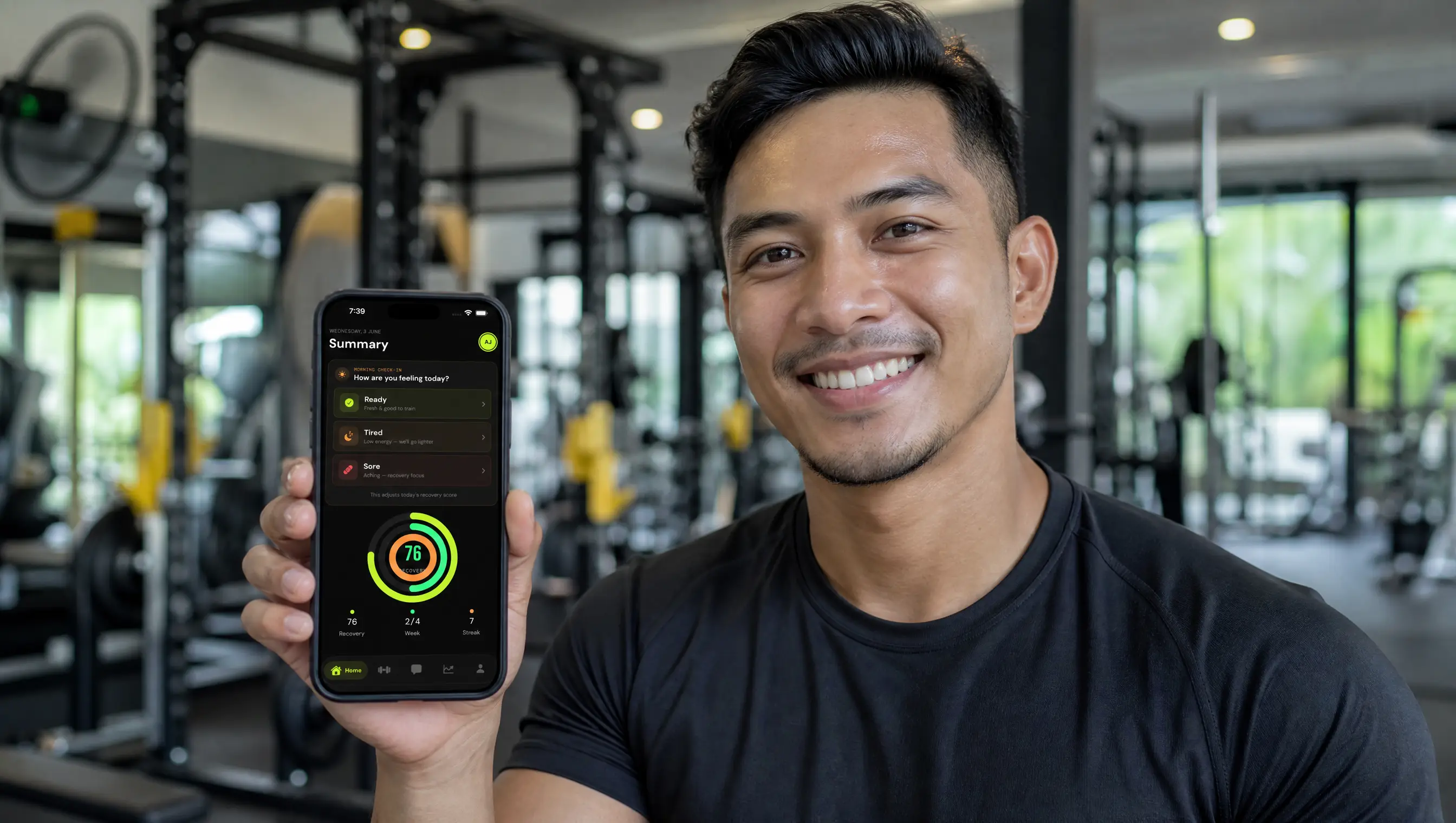
First, it reads your daily recovery score — calculated from your actual sleep, HRV, and resting heart rate via Apple Health — and adjusts today's session before you open the app. If your score is below 40, hard training is replaced with active recovery. If your score is high, optional intensity increases are offered.
Second, the AI coach is powered by Claude AI from Anthropic — one of the most capable AI systems currently available — and it retains your full training history in context. Every question you ask is answered with awareness of your goals, your recent sessions, and your recovery patterns. It's not a scripted chatbot. It reasons about your specific situation.
Try AI Coaching Free for 7 Days
No credit card needed. Get a personalised plan and your first recovery score today.