How to Avoid Overtraining: The Signs, the Science, and the Fix
Overtraining doesn't feel like training too much — it feels like being broken. Persistent fatigue, stalled progress, disrupted sleep, mood swings. Here's how to spot it early, what the research says, and how to recover if you're already there.

What Overtraining Actually Is
Overtraining Syndrome (OTS) is a neuroendocrine disorder that results from training stress exceeding your body's capacity to recover. It's not just feeling tired after a hard week — it's a systemic breakdown that can take weeks or months to fully reverse.
Crucially, overtraining rarely happens from one bad week. It's the accumulation of repeated training sessions where recovery is insufficient — too much volume, too little sleep, inadequate nutrition, and external life stress all compound.
Important distinction: "Overreaching" is the short-term version — a few days of excessive load. Recovery is quick (days to 1–2 weeks). Full Overtraining Syndrome is the chronic version that requires extended rest, sometimes 4–12 weeks. Most people who think they have OTS are actually overreaching — which is much easier to fix.
The Warning Signs — Caught Early
The earlier you catch overreaching, the faster you recover. These are the signals that appear in the first 1–2 weeks of excessive load:
Catching 2–3 of these simultaneously is a reliable signal to reduce load immediately.
The Full Overtraining Syndrome Picture
If early signs are ignored, overtraining syndrome develops. At this stage, the symptoms are more severe and take significantly longer to reverse:
- Persistent performance decline lasting weeks — not just one bad session
- Immune suppression — frequent colds, infections, or illness
- Hormonal disruption — cortisol elevated, testosterone reduced in men; menstrual irregularities in women
- Significant mood disturbance — clinical levels of anxiety or depression in severe cases
- Loss of appetite and unintended weight loss
- Complete loss of motivation to train
The Three Most Common Causes
1. Too much volume, too fast. The joint consensus statement of the European College of Sport Science and the American College of Sports Medicine describes the underlying problem precisely: trouble comes from excessive overload combined with inadequate recovery — not from hard training alone.[1] Big motivation-driven jumps in volume, the classic "new year" effect, load one side of that equation without touching the other.
2. Insufficient sleep. Sleep is when physical adaptation happens, and the research here is more specific than the usual advice suggests. A systematic review of 17 studies found that one bad night has little measurable effect on strength — but several consecutive nights of restricted sleep reduce force output in compound lifts like the squat, bench and deadlift, while single-joint movements hold up.[3] So a single late night is not the problem. A fortnight of them is, and it will show up first in exactly the lifts you use to judge your progress.
3. Ignoring life stress. Your body doesn't distinguish between training stress and psychological stress. A brutal work deadline, relationship conflict, or significant life change depletes the same recovery resources as hard training. Your programme needs to account for total life load, not just training load.
About the "10% rule". You will see it everywhere: never add more than 10% to your weekly volume. It is a sensible-sounding habit, and we are not telling you to abandon it — but you should know it is not a proven injury-prevention rule. The one randomised controlled trial that tested it directly built a 13-week graded programme around the 10% rule for 532 novice runners and found no reduction in running injuries compared with a standard programme.[2] Treat gradual progression as a reasonable default, not as a guarantee.
How to Recover if You're Already Overtrained
The only treatment for overtraining is rest — and more of it than you think you need.
- Overreaching (early stage): 3–7 days of complete rest or very light activity (walking, stretching). Prioritise 8–9 hours of sleep. Increase protein intake to 1.8–2g per kg of bodyweight.
- Full OTS: 4–12 weeks of significantly reduced or no training. Consider working with a sports medicine doctor. Psychological support may be needed for athletes with high training identity.
- Both stages: Come back well below where you stopped and build up over weeks rather than days. There is no validated formula for exactly how fast — the consensus statement stresses that distinguishing genuine overtraining syndrome from ordinary overreaching is difficult even for clinicians, and recovery is judged by how you respond, not by a schedule.[1]

Prevention: The Smarter Approach
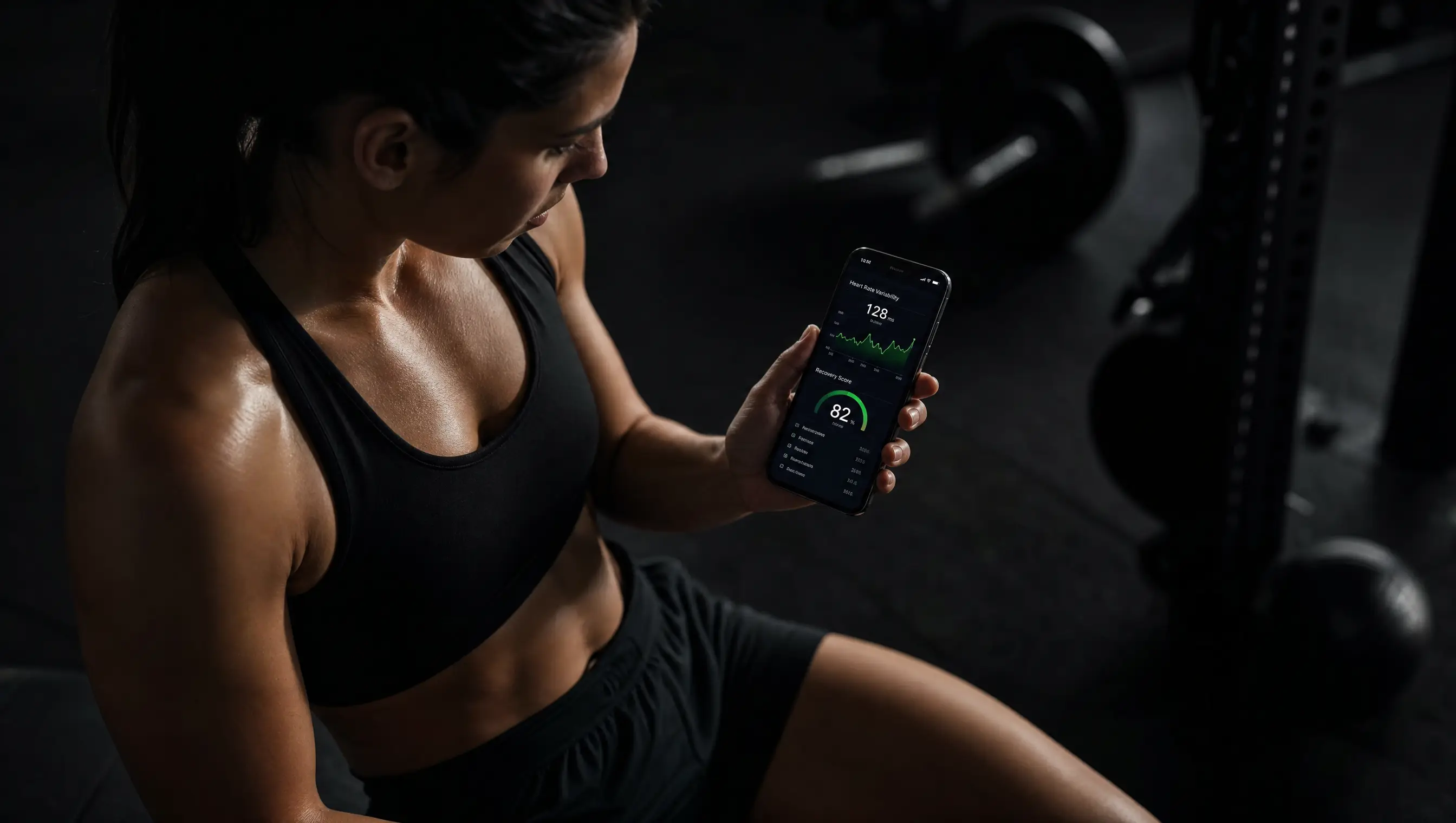
Overtraining is entirely preventable with the right monitoring. The most effective prevention strategy is tracking daily readiness metrics and adjusting training intensity accordingly — rather than following a fixed programme regardless of how you feel.
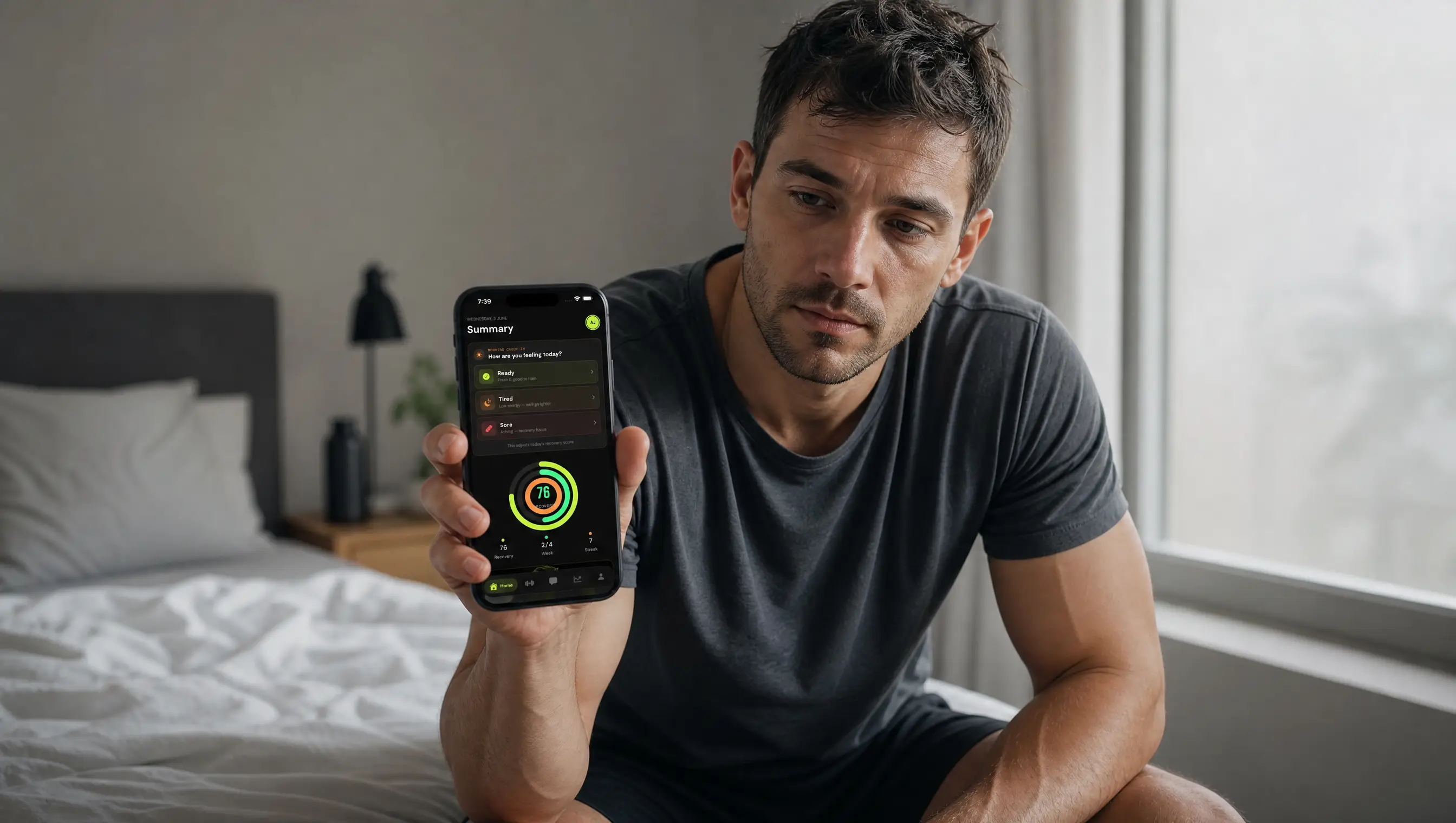
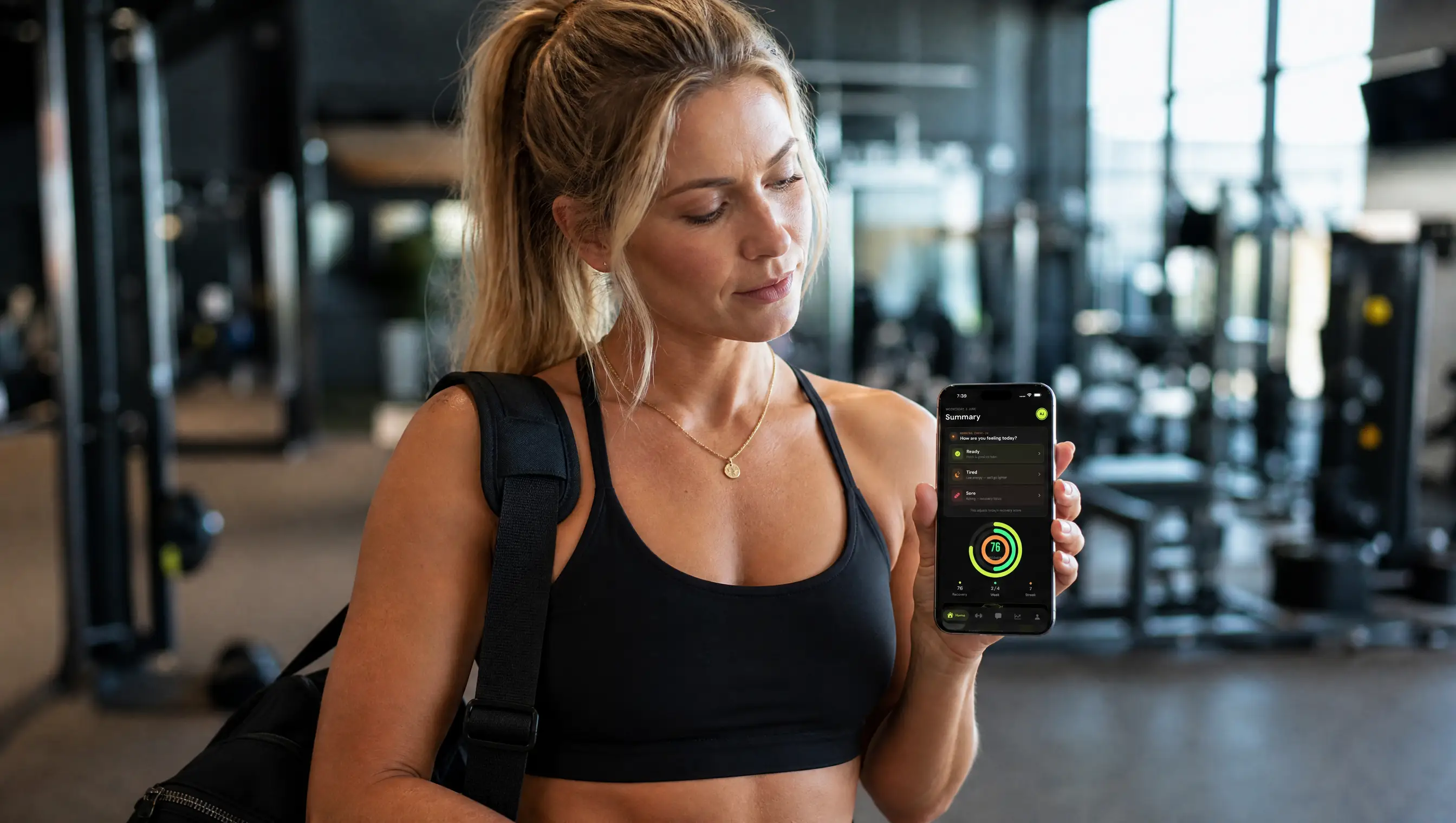
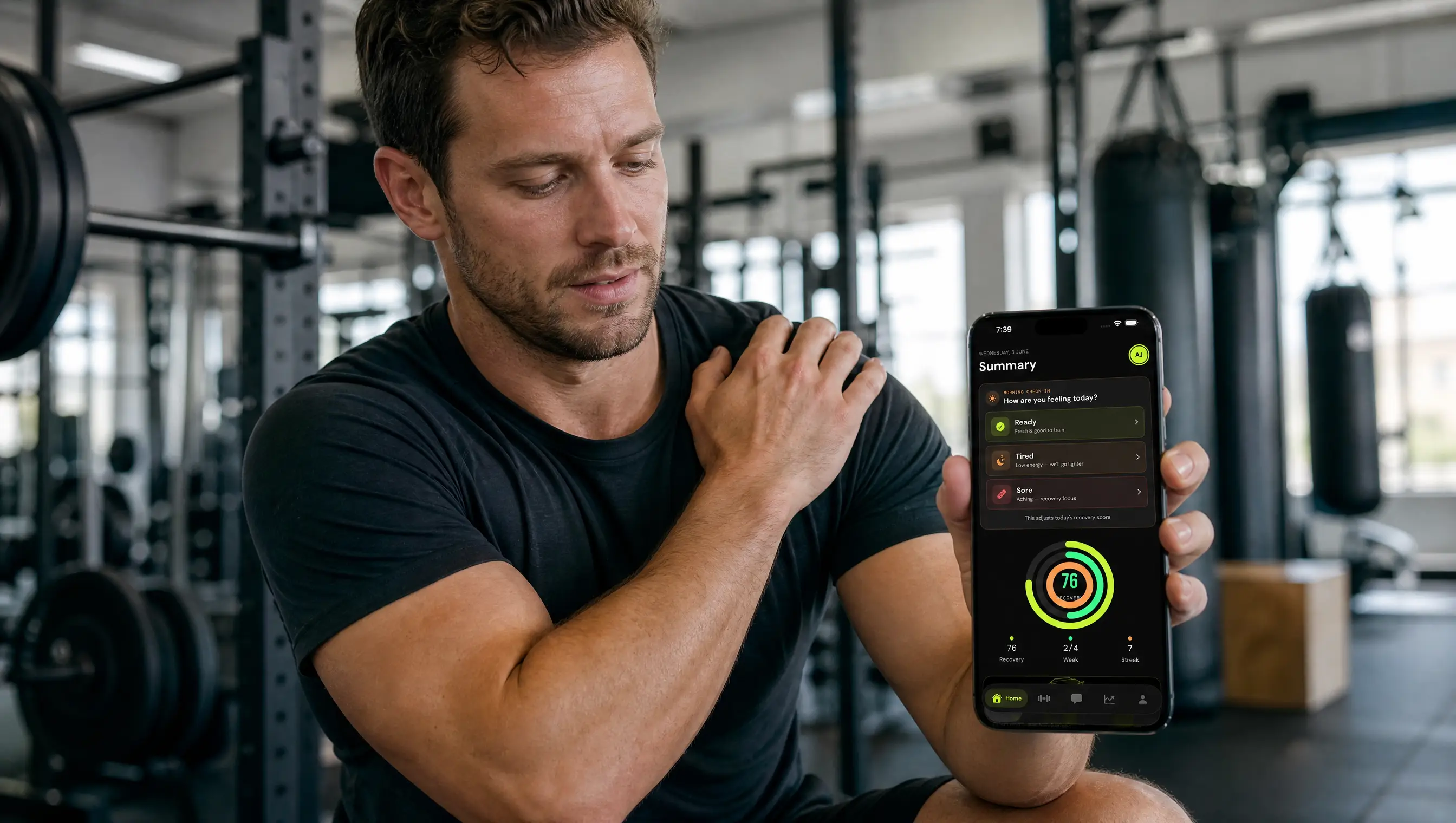
This is precisely what a daily recovery score enables. By monitoring your HRV, resting heart rate, and sleep quality every morning, you have an objective signal that tells you whether today's session should be a push day, a maintenance day, or a recovery day.
Athletes who train based on daily readiness consistently demonstrate fewer overtraining incidents, better long-term performance progression, and lower injury rates than those following fixed-intensity programmes.
How FitAI Coach Prevents Overtraining
FitAI Coach monitors your recovery score every morning and automatically adjusts your training recommendation:
- Three or more consecutive days with a recovery score below 50 triggers a warning and forces a deload recommendation
- Any score below 40 removes hard training options entirely for that day
- The AI coach can explain why your score dropped and suggest the fastest path back to full readiness
- Weekly summaries highlight your training load vs recovery balance so patterns are visible before they become problems
Never Overtrain Again
FitAI Coach monitors your recovery daily and adjusts your programme automatically — so you always train at the right intensity.

References
Every factual claim above links to the study behind it. Where the evidence is limited or contested, that is stated in the text rather than smoothed over.
- Meeusen R, Duclos M, Foster C, et al. Prevention, diagnosis, and treatment of the overtraining syndrome: joint consensus statement of the European College of Sport Science and the American College of Sports Medicine. Med Sci Sports Exerc. 2013;45(1):186–205. PubMed
- Buist I, Bredeweg SW, van Mechelen W, Lemmink KA, Pepping GJ, Diercks RL. No effect of a graded training program on the number of running-related injuries in novice runners: a randomized controlled trial. Am J Sports Med. 2008;36(1):33–39. PubMed
- Knowles OE, Drinkwater EJ, Urwin CS, Lamon S, Aisbett B. Inadequate sleep and muscle strength: implications for resistance training. J Sci Med Sport. 2018;21(9):959–968. PubMed
FitAI Coach is a fitness app, not a medical device, and nothing here diagnoses any condition. Overtraining syndrome is a clinical diagnosis of exclusion — if your symptoms persist, see a doctor.